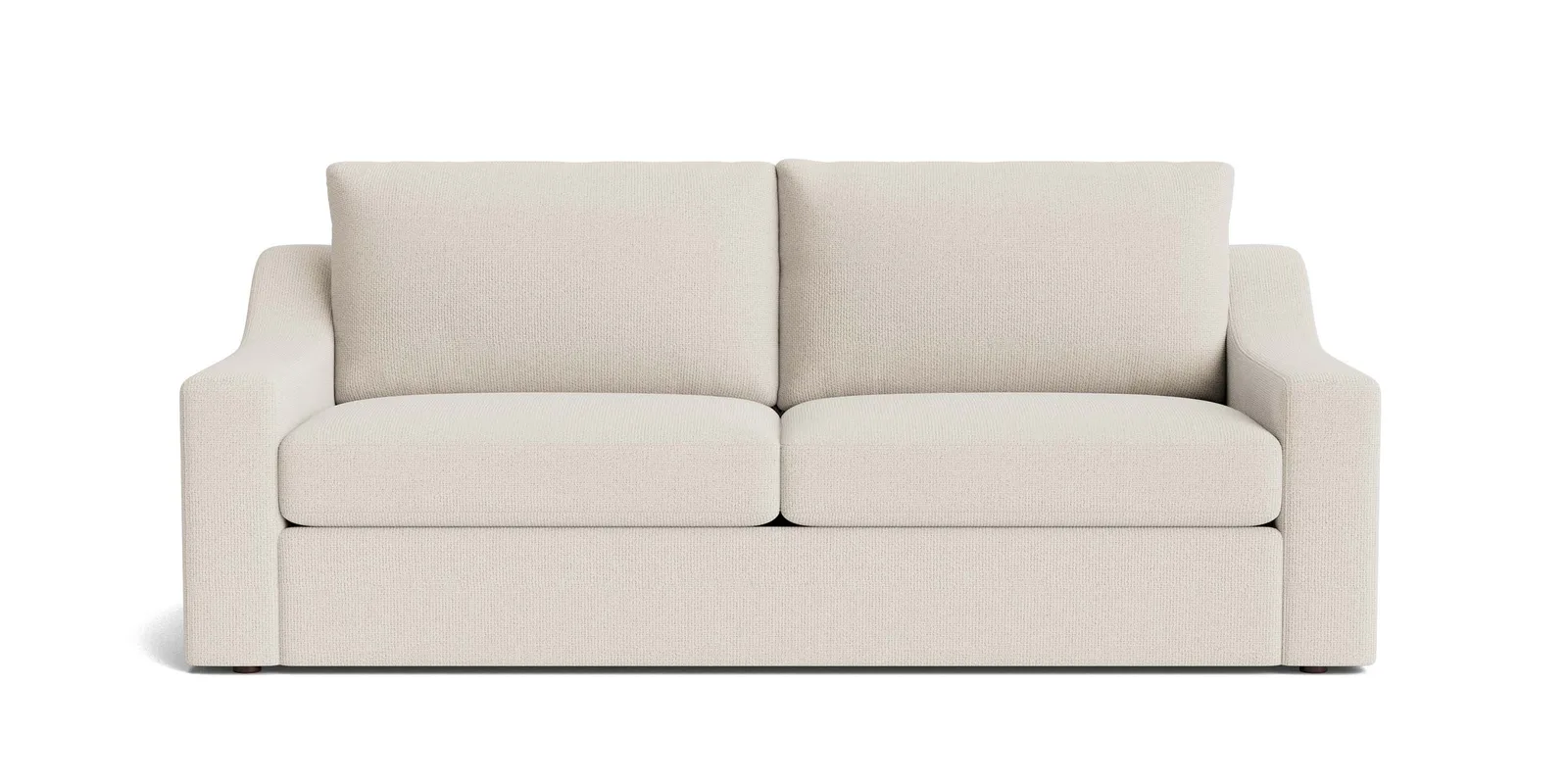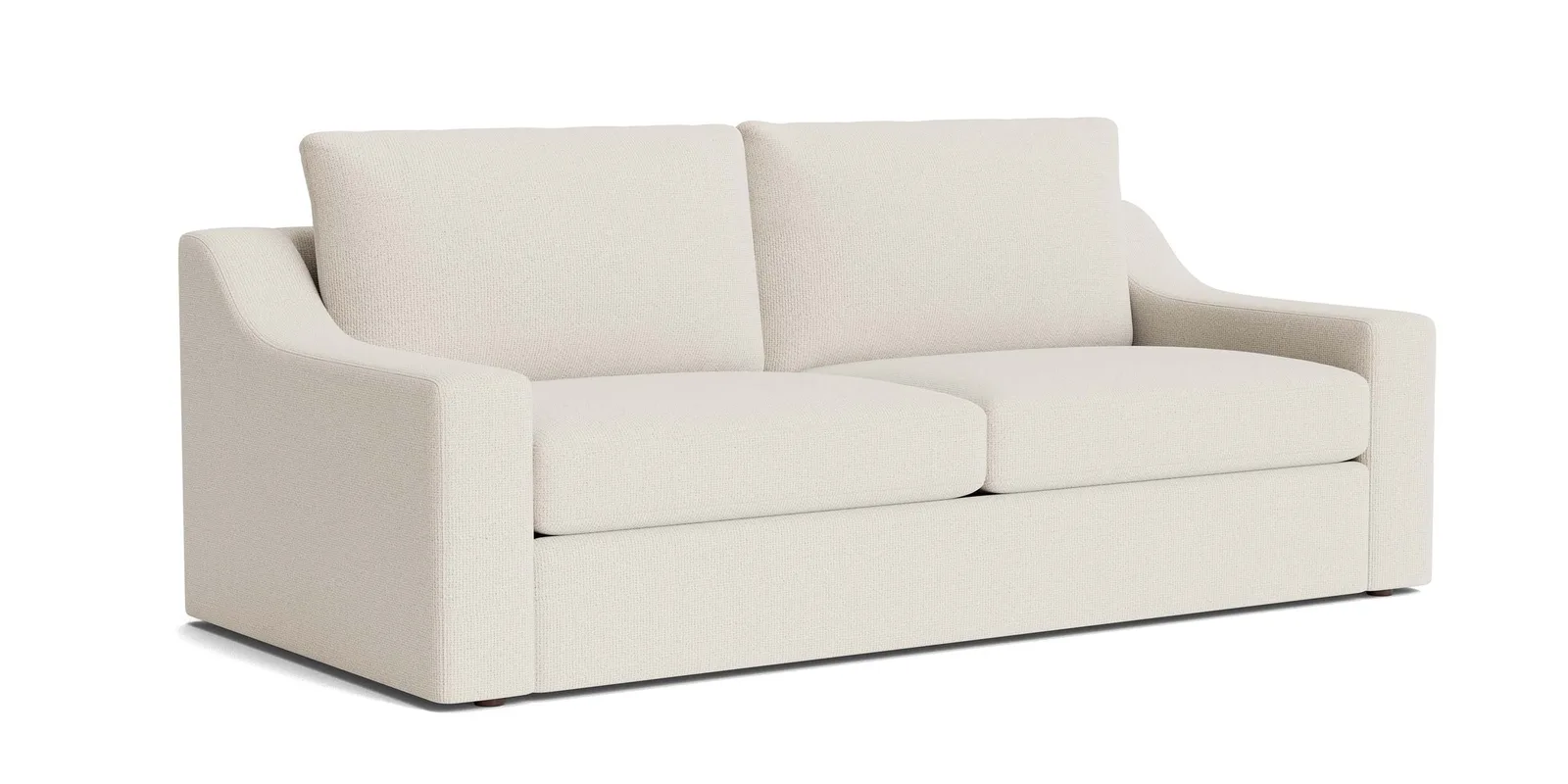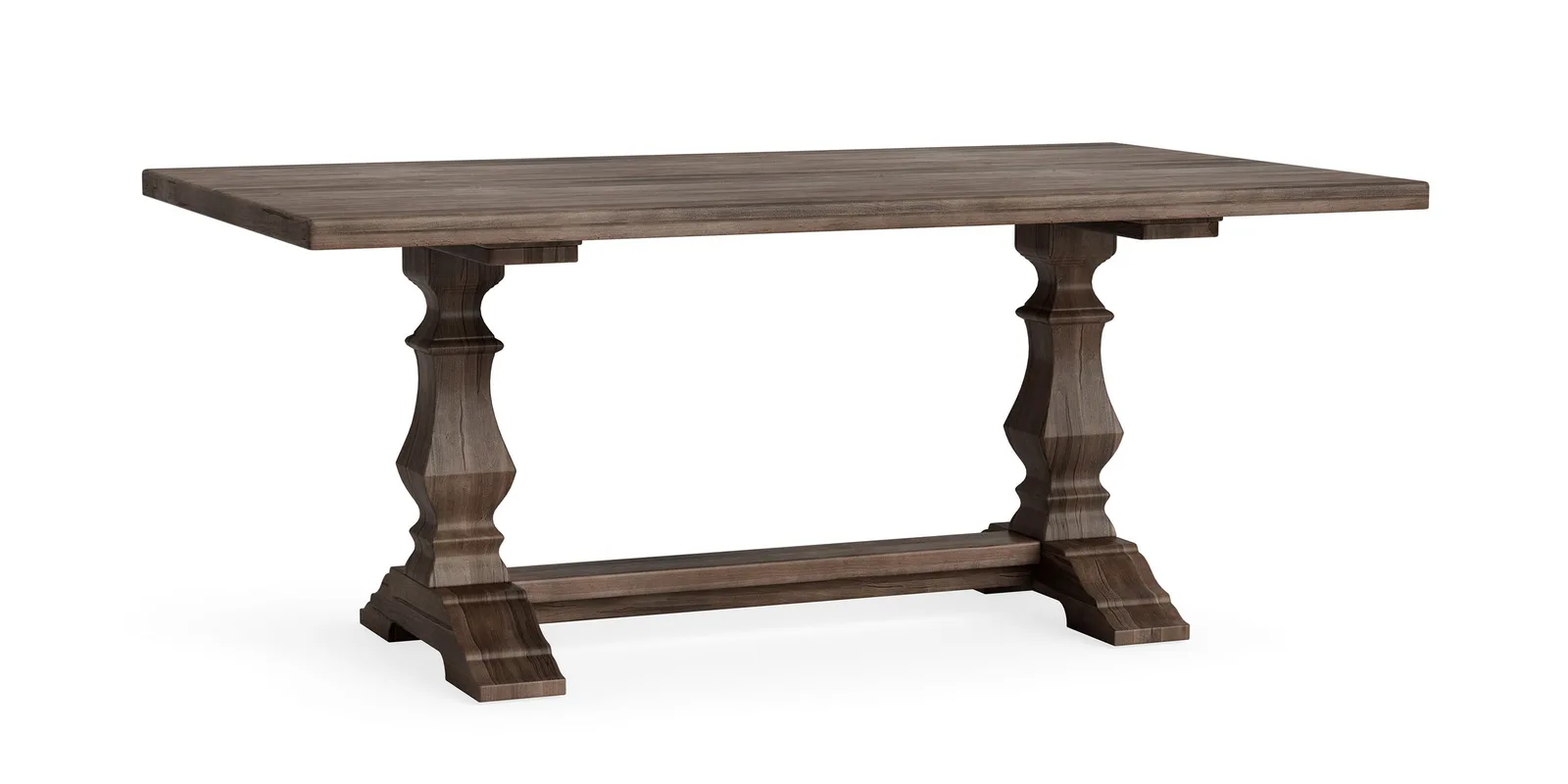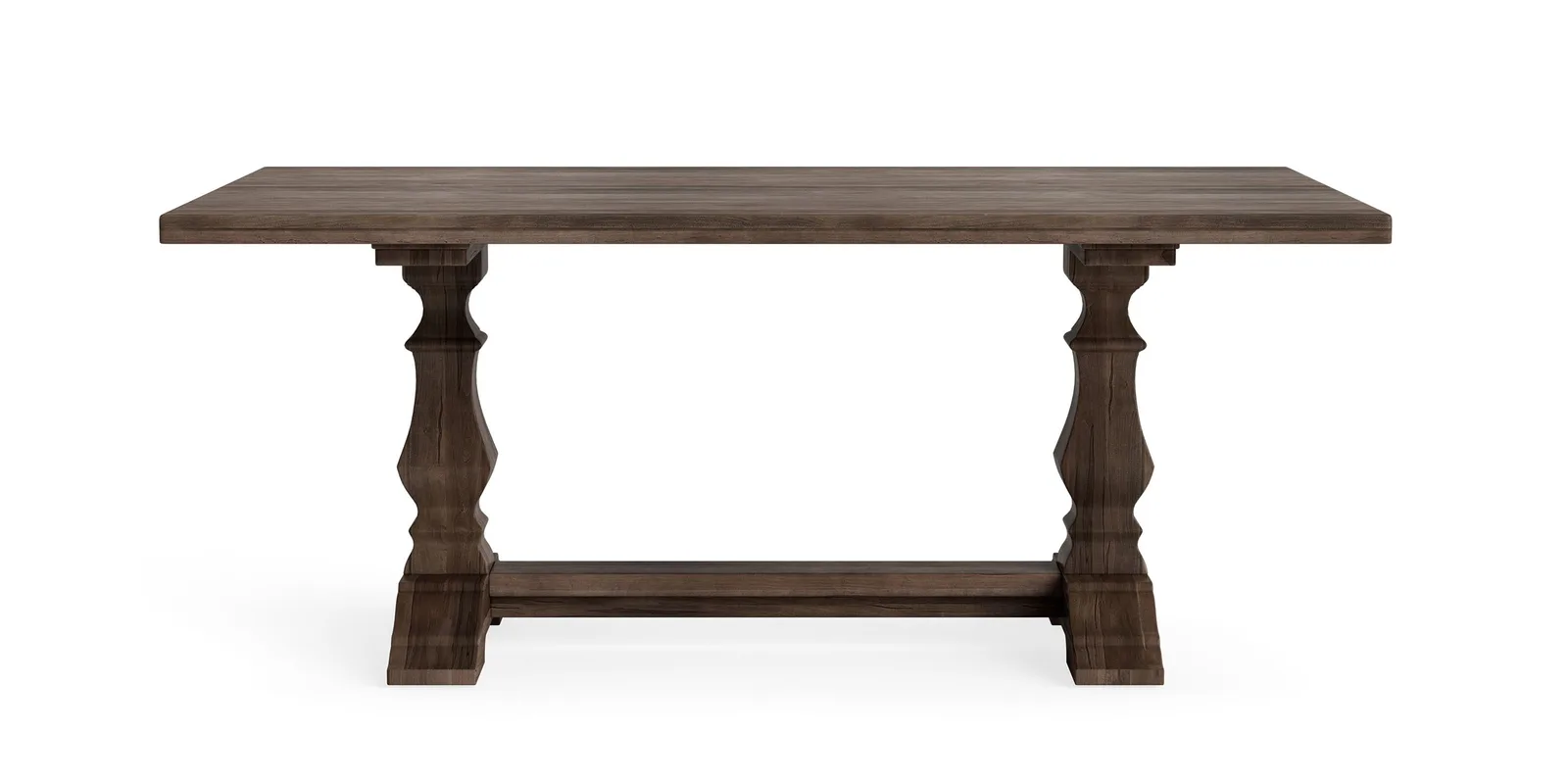
A wall color sets the tone for everything in front of it. These steps make the choice calmer, and help you avoid painting twice.
Start with what stays
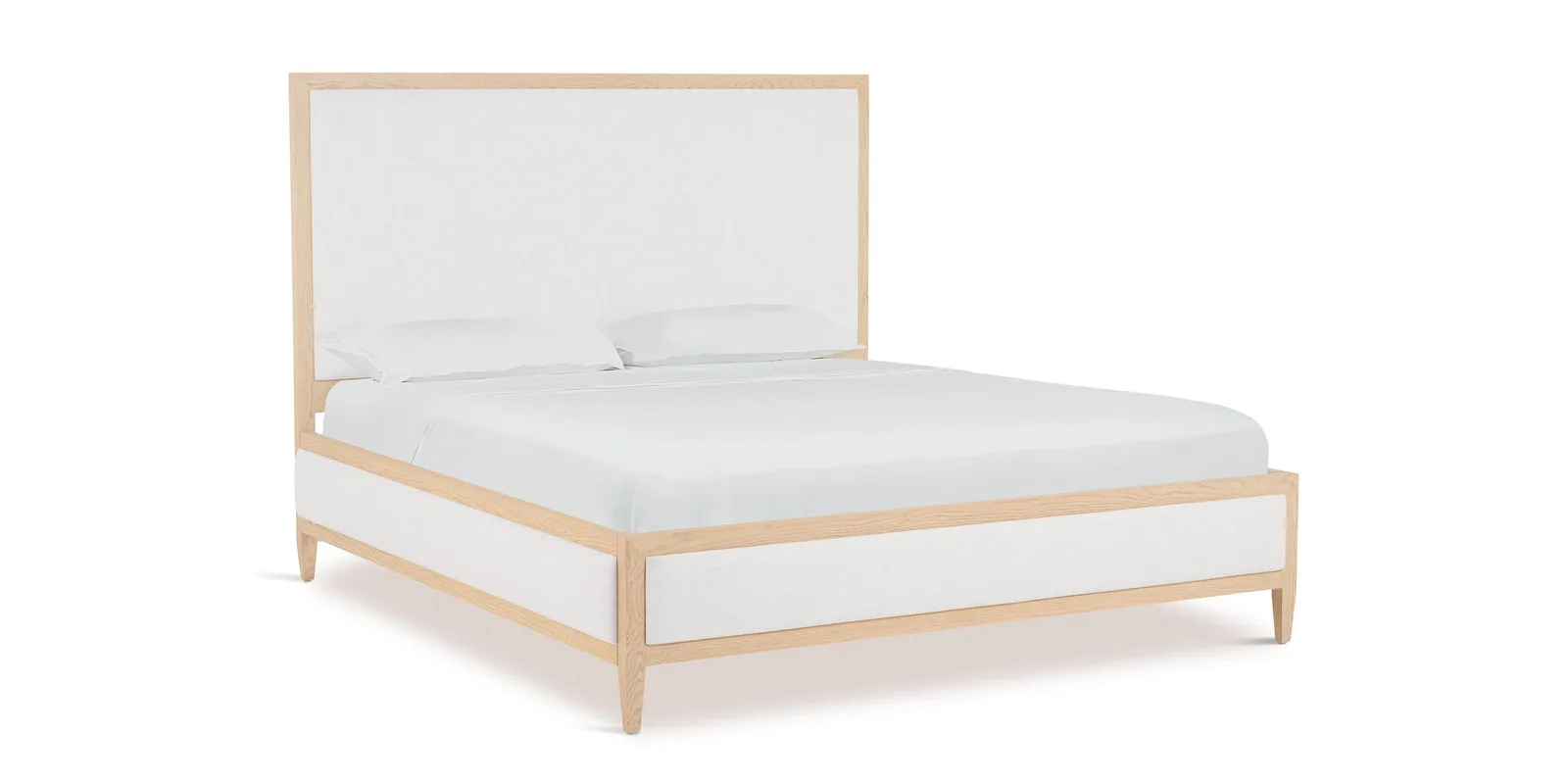
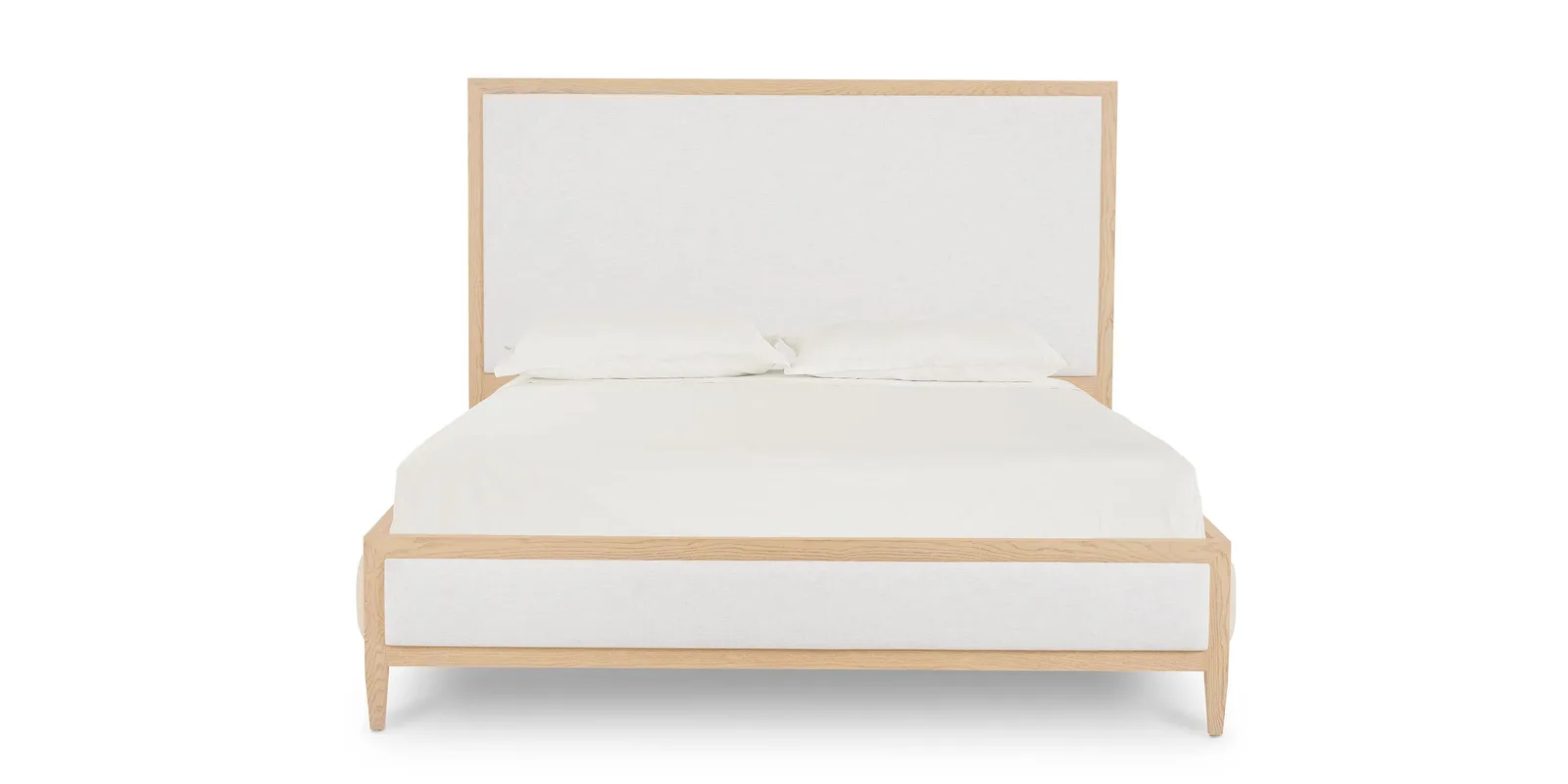
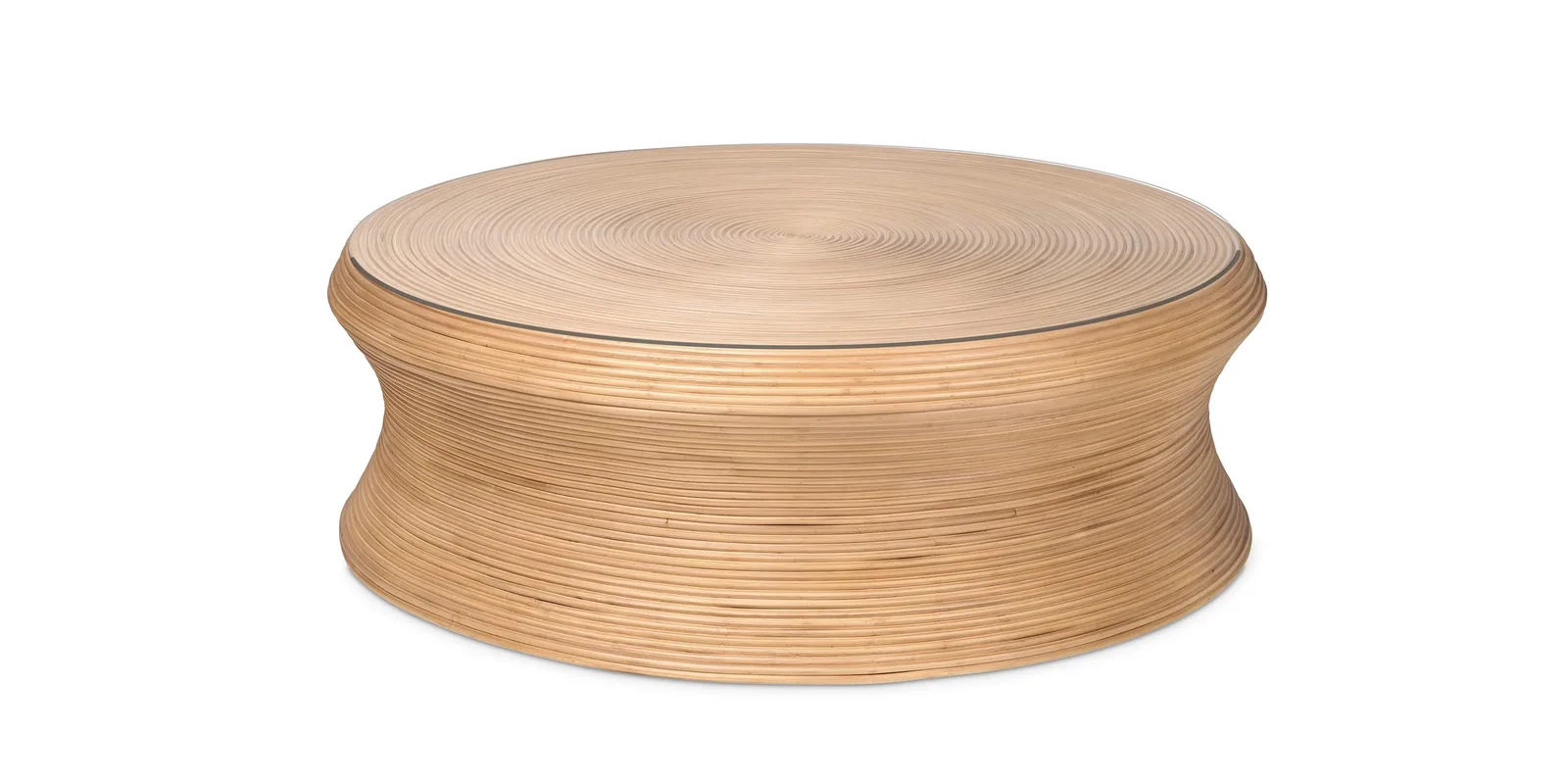
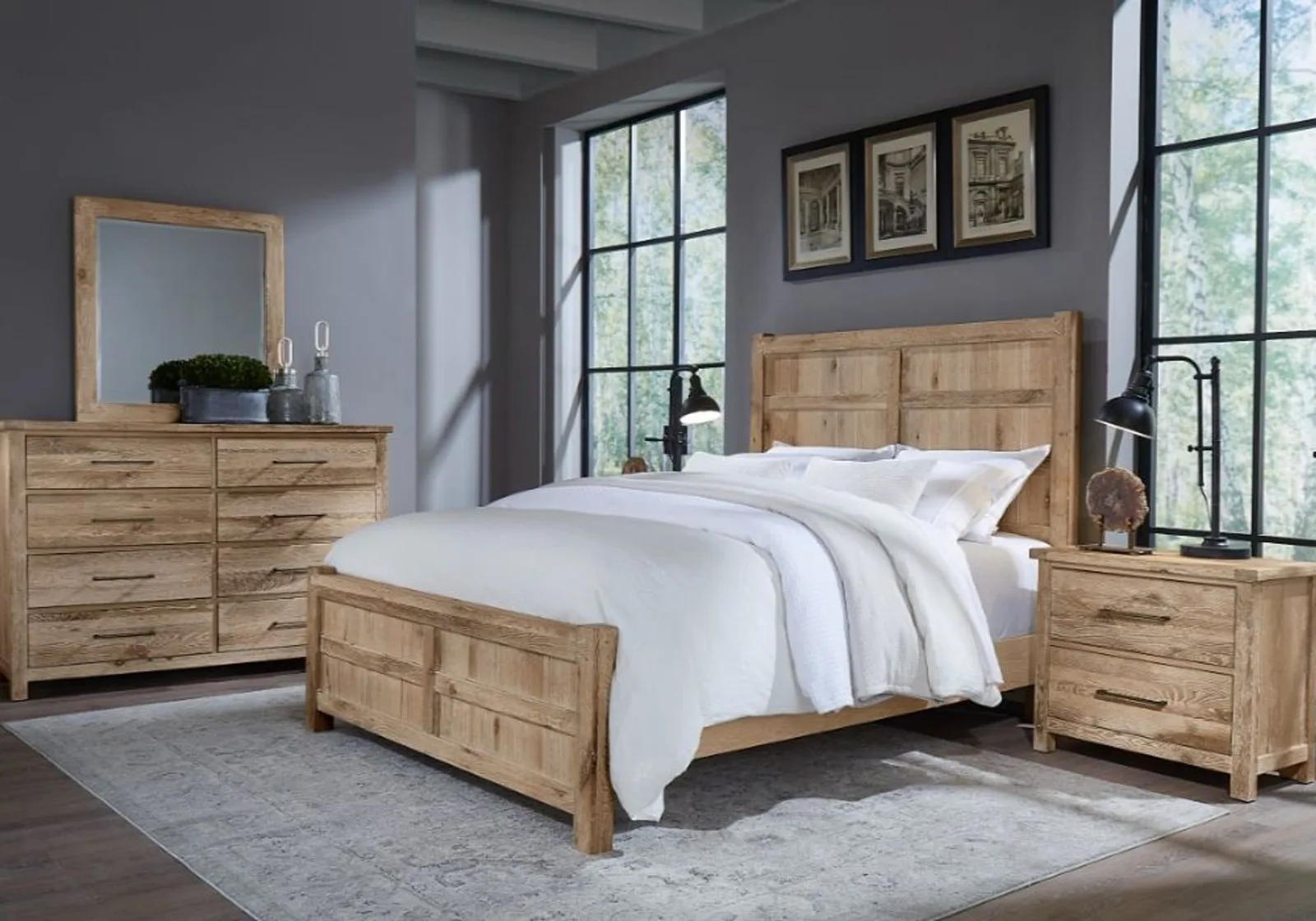
Look first at what won't change: the floors, a rug you love, the sofa, the wood of a dining table or a bed. Choose a wall color that works with these, not the other way around. If you're buying new furniture too, choose the pieces first: it's easier to match a paint to a fabric than a fabric to a paint.
Look at the light
The same paint looks different in every room. North-facing rooms get cooler, softer light all day, and warm colors keep them from feeling gray. South-facing rooms get warm light that makes yellows and reds look stronger. A room you mostly use in the evening is seen under lamps, so look at your samples at night as well.
Find the undertone
Most colors lean warm, toward red, yellow or orange, or cool, toward blue, green or gray. That's why two whites, or two grays, can look so different on a wall. Hold a sample against a sheet of plain white paper and the undertone is easier to see. Warm woods like oak and cherry usually sit well with warm undertones; painted and gray finishes leave you more room.
Test before you paint
Paint a large swatch, about two feet square, or use a painted sample board, on two or three walls of the room. Look at it in the morning, at midday and at night, for a few days. Paint chips are good for narrowing the choice down, but a color always looks stronger across a whole wall than on a chip.
Think of the whole home
Rooms you can see from one another look calmer when their colors are related: shades of one color, or colors with the same undertone. A simple plan is one main color for most of the walls, a second for a room or two, and a third, used sparingly, for doors, trim or a single wall.
Choose the finish
Flat and matte paints hide small marks and suit living rooms and bedrooms. Eggshell and satin wipe clean more easily, which helps in halls and dining rooms. Semi-gloss is the usual choice for trim, doors and bathrooms.
Choosing furniture and paint together? Bring a photo of the room and your paint samples to the gallery, and our design staff can help you see them next to the fabrics and finishes.